

“Your work keeps me going.” Words like these arrive at Durland Alternatives Library (DAL) every week, written by incarcerated individuals participating in Prisoner Express. The volunteer-powered initiative connects people in prison with educational resources, creative outlets and reading materials that are often unavailable behind bars.
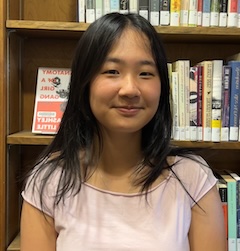
Tracy Chen ’25
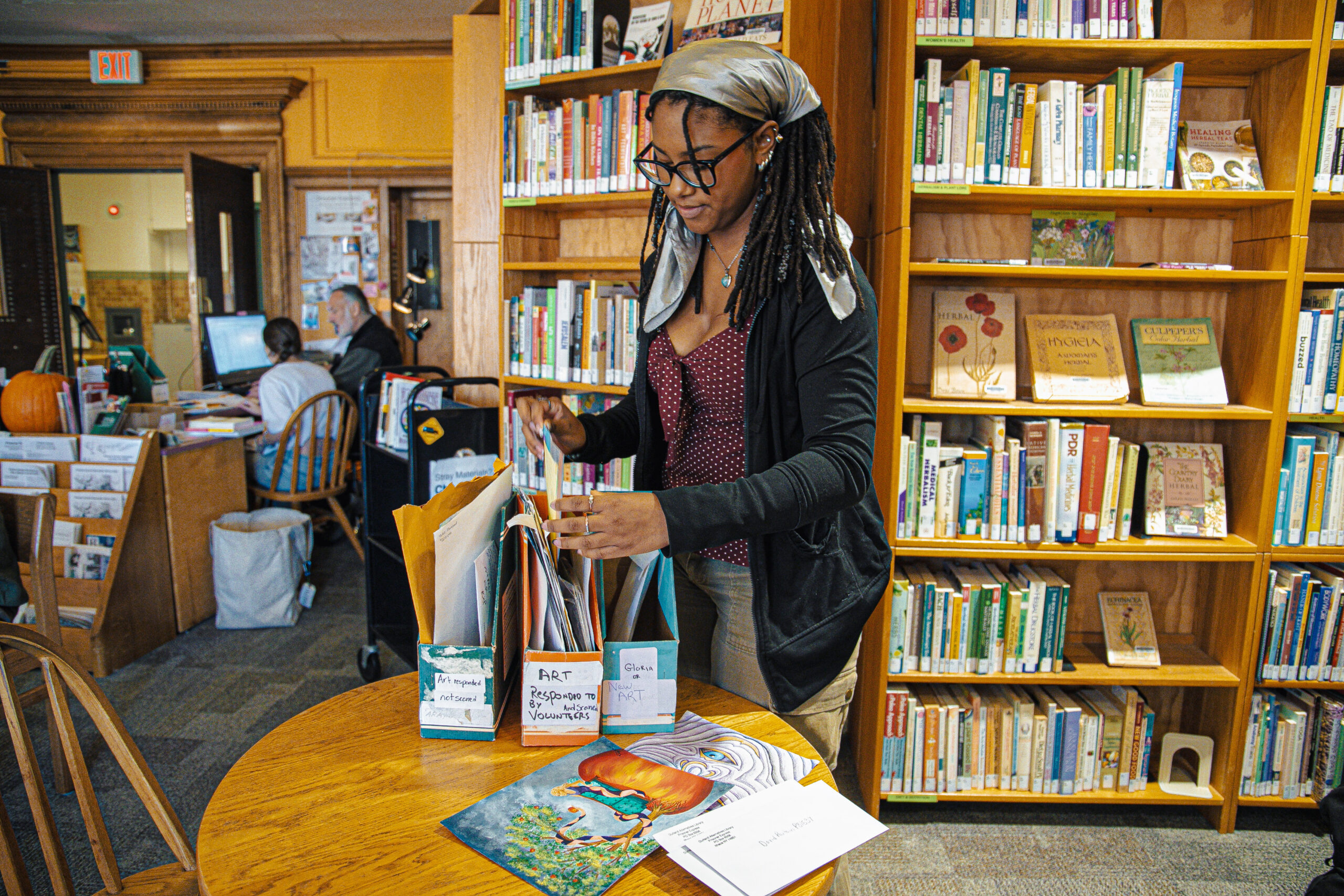
For College of Agriculture and Life Sciences alum Tracy Chen ’25, these messages carry special weight. Through Cornell’s Community Work-Study Program (CWSP), in spring 2025, she helped manage the steady stream of letters the program receives from more than 4,000 participants in 49 states — sorting, coding and uploading them into a database so each message found its way to the appropriate respondents.
“People in prison are bored and lonely and feel like they’re going crazy, with nothing of worth to do,” said Gary Fine, DAL director and founder of Prisoner Express. “When you offer them a combination of stimulating material, plus people who care about what they’re doing, it gives them hope that there’s a world out there for them.”
That combination of care and meaningful content guided another project on which Chen took initiative. Working with a donation from the Pema Chödrön Foundation — which provides the program with 500 books twice a year — she developed a study packet with chapter-by-chapter reflection questions for Awakening Loving Kindness. Participants who returned their responses could earn a certificate of completion. For many incarcerated readers, it was both an educational tool and a rare form of recognition for their personal development.
Beyond these roles, Chen also supported the program’s future by documenting her processes and training incoming students, leaving a smoother path for those to follow. Through it all, she sharpened her skills in leadership, organization and empathy while deepening her commitment to social justice and to giving voice and encouragement to those who are often unheard.
“If my work has made somebody’s day in prison better, then it has all been worth it,” she said.This story is part of a series highlighting Cornell’s Community-Work Study Program.