

Before students in Cornell’s biomedical engineering (BME) program design a solution, they are learning to ask a key question: What challenges do communities actually want to address? At the center of that shift is the Tuskegee-Cornell University Biomedical Engineering Scholars (TCUBES) program, where community input is built into the design process. For leading this work, Jonathan Butcher, the Joseph N. Pew Jr. Professor in Engineering in the Meinig School of Biomedical Engineering, has been named this year’s recipient of the Kaplan Family Distinguished Faculty Fellowship.
Jonathan Butcher
“We want our students to leave not only as strong engineers, but as people who feel empowered to apply their skills in ways that benefit their communities,” Butcher said. “Through TCUBES, we’re building sustained partnerships rooted in trust that help students design innovations that address needs often overlooked by traditional pathways and deliver real impact.”
Established in 2001, the Kaplan Fellowship recognizes a Cornell faculty member each year for creating transformative, community-engaged learning experiences for Cornell students. The David M. Einhorn Center for Community Engagement administers the fellowship.
TCUBES exemplifies this approach by bringing Cornell and Tuskegee students together to address community-identified health challenges through engineering design. Like Cornell, Tuskegee — located in rural Alabama and surrounded by industry and health deserts — is a land-grant institution with a strong track record in community-based education. The program builds on a cross-campus partnership Butcher has cultivated since 2018, which previously received National Science Foundation support.
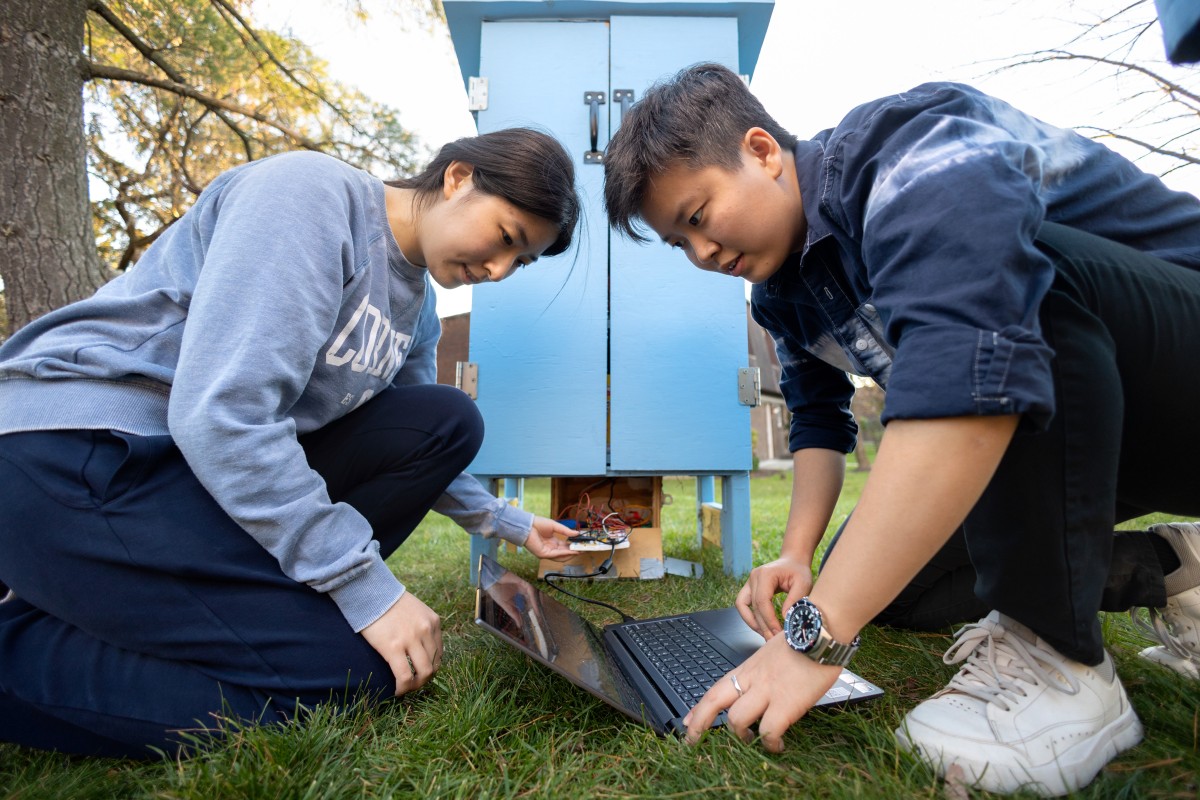
Working alongside Tuskegee engineering students in a parallel design course, Cornell BME students partner directly with communities in Alabama and New York. They talk with patients and providers, observe clinical settings and run co-design workshops to understand where care falls short. From there, they turn those insights into design plans shaped by community priorities — from usability and accessibility to cultural fit. Students then return with prototypes and educational materials, gathering feedback through demonstrations, discussions and testing sessions that help refine the solutions.
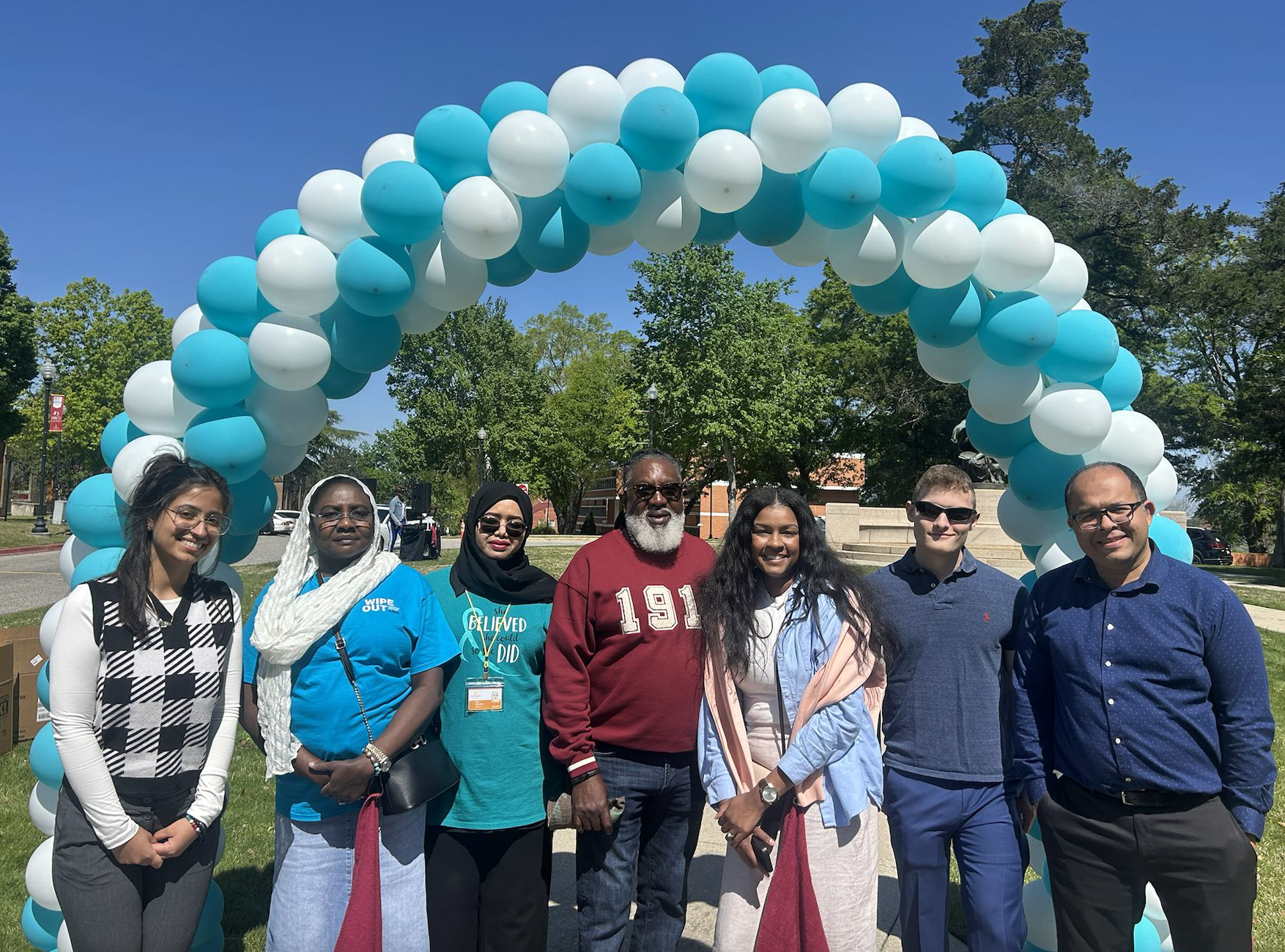
That approach is already producing results. In a 2024 pilot project, students developed easy-to-use test swabs and materials to improve HPV screenings and education. They collected feedback on their prototypes at a Tuskegee outreach event, where most participants — community members and healthcare providers — found the tools easy to use and understand. Soon after, the non-profit Vax2StopCancer began sharing the materials through its outreach programs.
Over the past year, TCUBES has grown from a pilot team to a broader design pipeline. Students from both institutions have engaged with a variety of community partners, including the Central Alabama Veterans Health Care System, the Macon County Health Department and Planned Parenthood. The resulting student projects address such issues as thermoregulation and skin injury among amputee prosthetic users (AdaptaCool) and improving menstrual health through redesigned tampons (FlowSure).
“TCUBES represents a powerful model for community-engaged engineering education and a uniquely meaningful partnership that fosters deep cultural literacy, cross-institutional collaboration and student confidence in applying engineering solutions to real community challenges,” said Iman Hassani, assistant professor of chemical engineering at Tuskegee University, who teaches the parallel design course.
The Kaplan Fellowship’s $10,000 grant money will support Butcher in further expanding and institutionalizing TCUBES as part of required BME Senior Design coursework. Delivered to 60 to 70 students annually, the capstone course embeds community-informed design as a core competency in engineering training. Students will also have the opportunity to show their products and stakeholder testimonials at the annual BME Design Symposium, which will introduce some 200 visitors — students, faculty, industry representatives and external visitors from across engineering majors — to this model of community-engaged engineering education.