


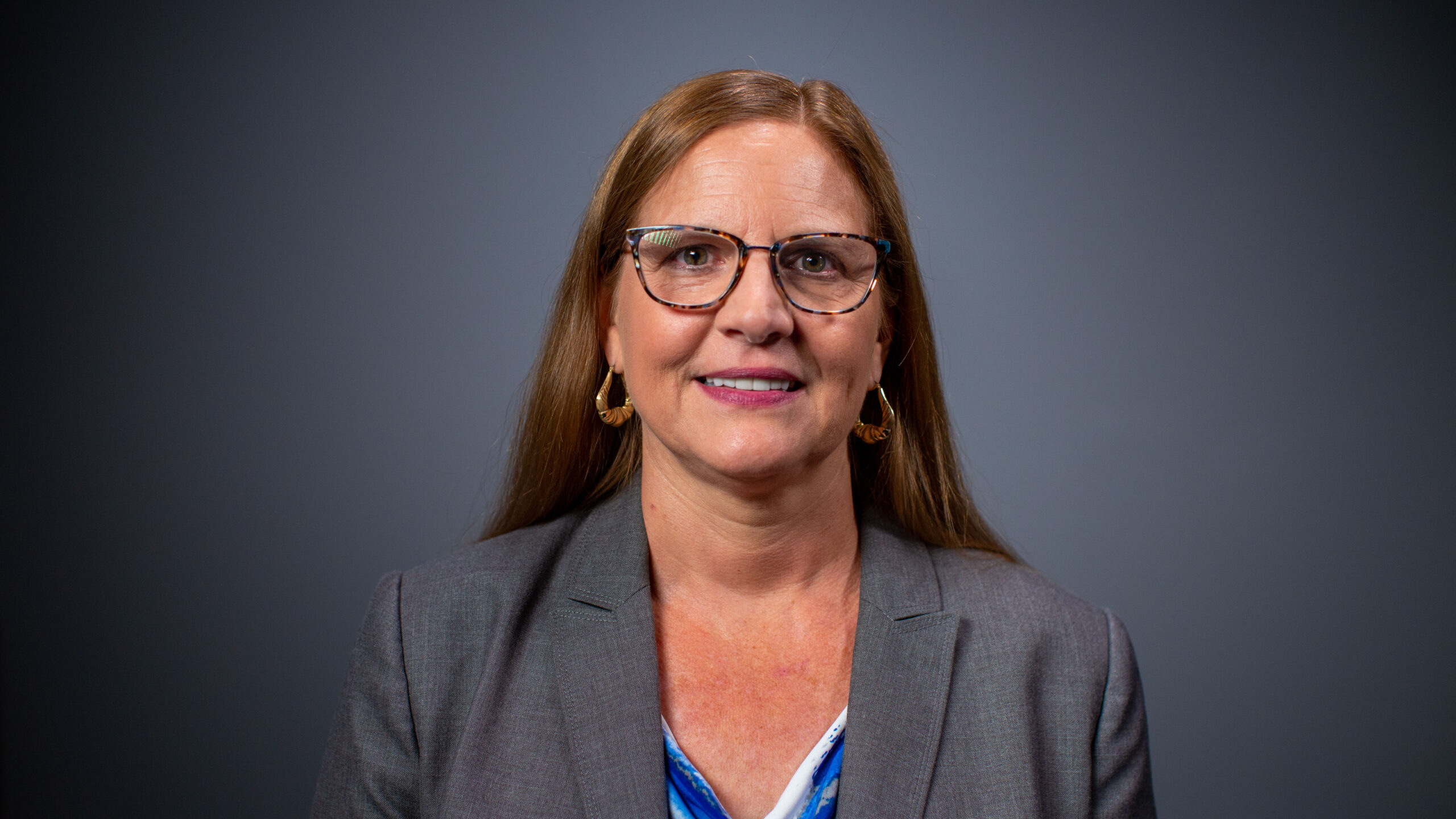
Donna acts as the Academic Director of Curriculum, Bachelors of Professional Studies for SCE. As a professor in analytics and students management and designing sustainable systems, her focus is on both spreadsheet modeling and leadership courses to undergraduate and graduate students. She is dedicated to “blending human systems” through engaged scholarship that will turn knowledge into action.
Fellows come from all over the university, bringing their particular passions and living out the public purpose of their discipline through teaching and researching in, with and for community.
See Details
Bachelors of Professional Studies Community-Engaged Learning Design
The Bachelors of Professional Studies (BPS) program integrates Cornell’s Community-Engaged Learning (CEL) model by intentionally connecting academic coursework, students’ prior experiences, and community-identified priorities through applied, experiential learning. Grounded in the principles of Cornell’s David M. Einhorn Center for Community Engagement, the BPS approach emphasizes reciprocal partnerships, integration of academic content with real-world experiences, and structured critical reflection.
The design recognizes that adult learners bring valuable professional, personal, and civic experiences to their education. Rather than treating community engagement as a separate service activity, BPS integrates it into academic experience, providing opportunities for students to draw on existing knowledge, develop new perspectives, and apply disciplinary concepts to authentic community contexts.
BPS operationalizes the CEL model through several interconnected elements:
- Connecting experience with academic learning: Students draw on their professional, personal, and community experiences while examining how academic concepts and new perspectives expand or challenge their understanding.
- Understanding communities and their priorities: Students investigate community contexts, listen to diverse stakeholders, identify existing assets and resources, and explore priorities articulated by community members rather than relying on assumptions about community needs.
- Applying knowledge through reciprocal partnerships: Students collaborate with community organizations and other appropriate partners on applied projects, research, planning, evaluation, and other activities that address shared priorities while supporting defined academic learning objectives.
- Developing systems thinking and collaborative leadership: Students examine the interconnected organizational, economic, social, cultural, and institutional factors that shape community challenges. They develop skills in collaboration, communication, ethical decision-making, and working across differences.
- Integrating preparation, action, reflection, and evaluation: Students prepare by understanding the community context and establishing shared expectations; take action through applied projects; reflect on their experiences and connect them to academic learning; and evaluate both their learning and the value of their contributions to community partners.
A distinctive BPS contribution is its emphasis on “living leadership” for adult learners: understanding leadership as an ongoing practice demonstrated through everyday relationships, shared responsibility, collaboration, and meaningful contributions to workplaces and communities, rather than as a formal title or position.
The framework is supported by program-specific student learning outcomes and assessment measures that address not only the application of academic knowledge, but also civic engagement, cultural humility, ethical practice, critical reflection, partnership development, and community impact.
Through this approach, the BPS design makes community engagement an intentional component of academic development. The goal is to prepare students to translate what they learn into responsible professional and civic participation, strengthen the communities in which they live and work, and contribute to the public good.