


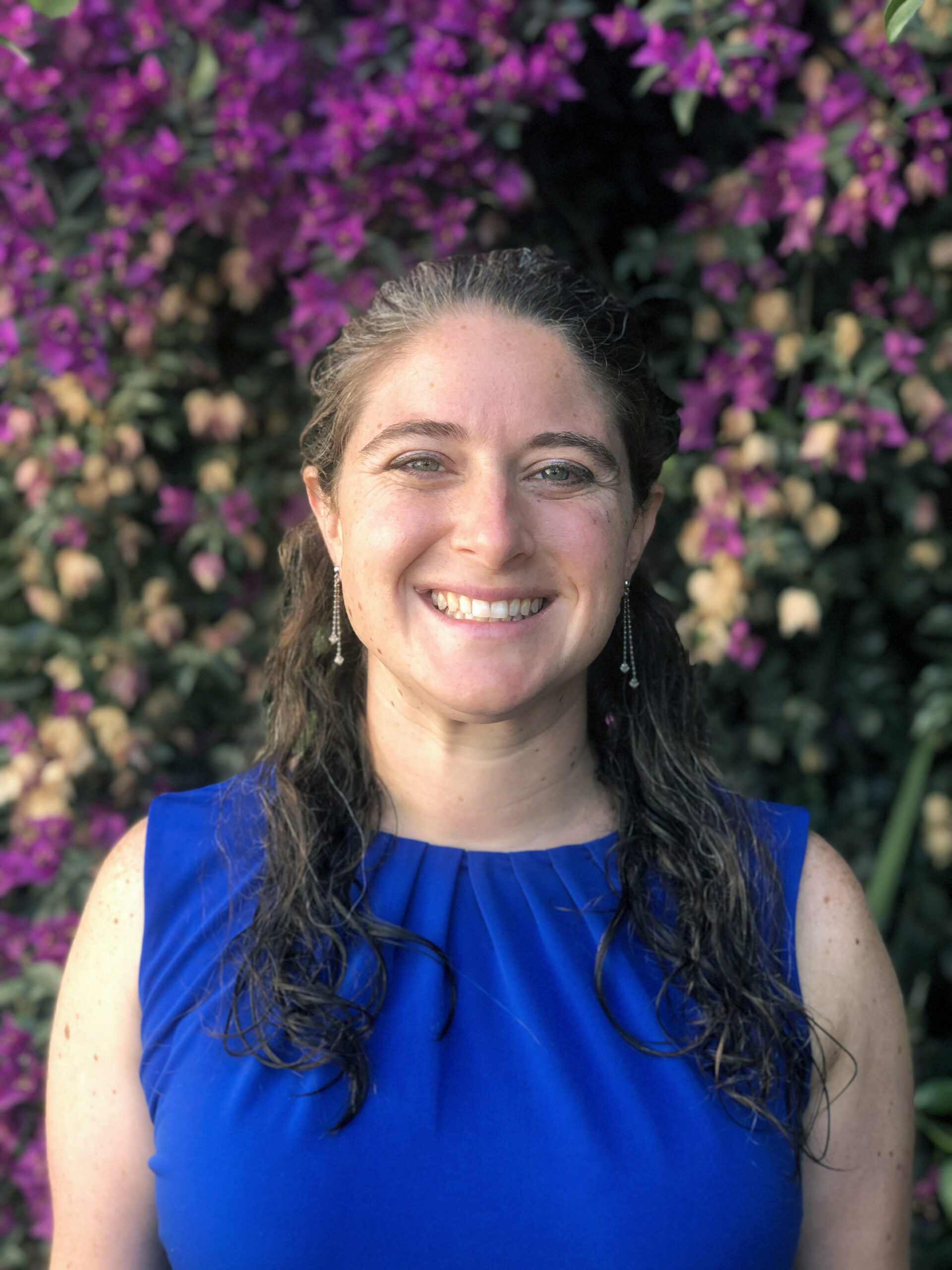
Jacqueline Gerson studies how anthropogenic activities have altered the cycling of nutrients and contaminants through watersheds. As an Assistant Professor in BEE, she focuses on the fate, transport, and transformation of these elements and compounds within and between terrestrial and aquatic ecosystems. She is particularly interested in linked biogeochemical cycles within complex socioenvironmental systems.
Fellows come from all over the university, bringing their particular passions and living out the public purpose of their discipline through teaching and researching in, with and for community.
See Details
I teach a 4000/5000-level course on Water Measurement and Analysis. This is a field-based course, in which students collect environmental samples (e.g., soil, water) and measure them for physical, chemical, and biological characteristics. The course goals are to (1) introduce students to cutting-edge sensors and monitoring technology through hands-on deployment; (2) generate a continuous, multi-year data record available for long-term analysis through implementing this approach annually; (3) engage students in community-based learning centered on fieldwork at a single environmental site, including collecting and interpreting diverse data across an entire semester; (4) provide opportunities for students to communicate scientific findings beyond academia.
I am looking forward to orienting the course for community-engaged learning opportunities. The specific goal is to develop field-based learning opportunities for students that simultaneously provide data that community partners can use to further their goals. Students will achieve this both through hands-on modules throughout the semester (which collect broad data for community partners), as well as through small group projects targeted at more in-depth studies directed at community partners’ needs.